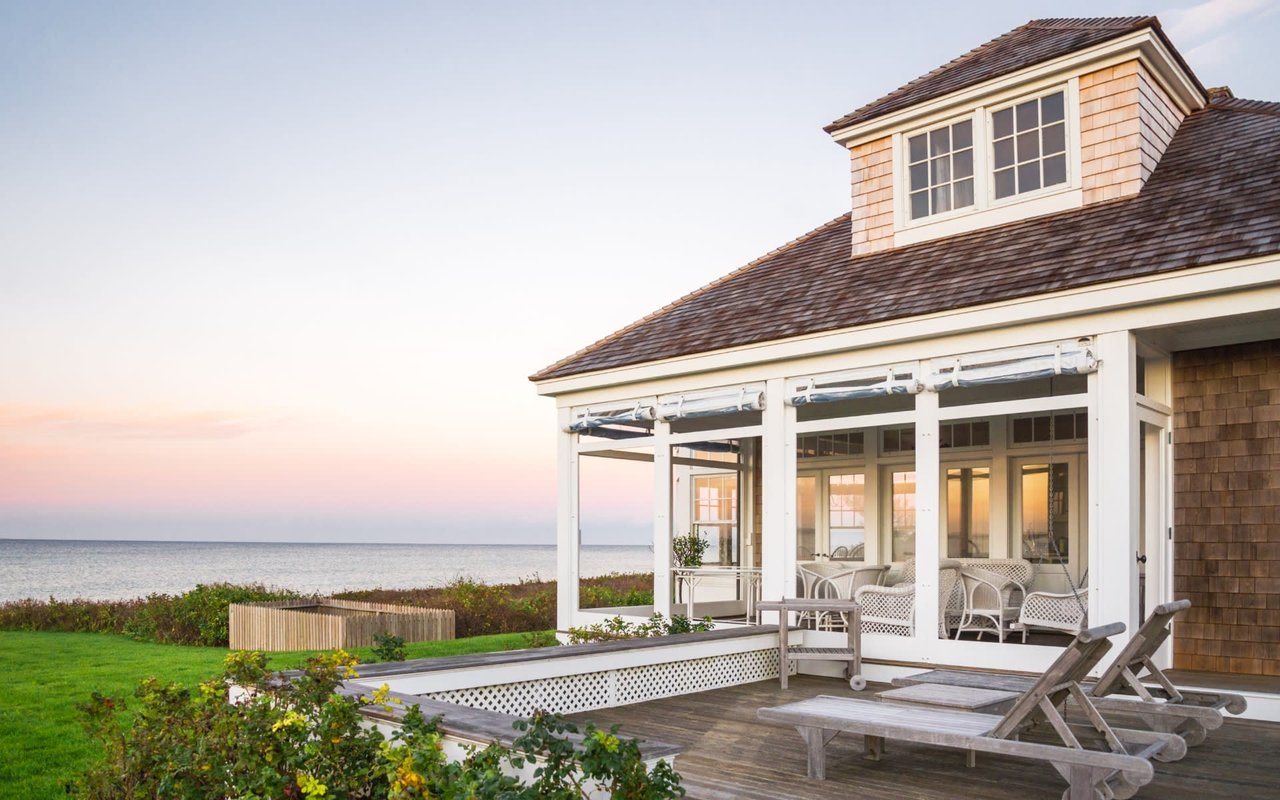
A waterfront home in Westport offers a lifestyle that is difficult to replicate: mornings overlooking Long Island Sound, quick access to beaches and boating, and the unmistakable character of one of Fairfield County’s most desirable coastal communities.
But buying along the water requires a different level of preparation than purchasing a home farther inland. Two properties with equally beautiful views may have very different flood-zone designations, insurance costs, shoreline responsibilities and exposure to coastal weather.
For buyers exploring current Westport waterfront homes for sale, the goal is not simply to find the best view. It is to understand exactly what comes with the property and make a well-informed decision before signing a contract.
Where to Find Westport CT Waterfront Homes for Sale
Waterfront living in Westport is not limited to one neighborhood. Homes may overlook Long Island Sound, sit near the beach, line the Saugatuck River or offer access to smaller waterways and tidal inlets.
Each location provides a slightly different experience.
Compo Beach Homes and the Long Island Sound Lifestyle
The Compo Beach area is often what buyers picture when they imagine coastal Westport. The neighborhood is known for its proximity to the beach, active outdoor lifestyle and strong community atmosphere.
Depending on the street and property, Compo Beach homes may offer direct water frontage, water views or easy walking access to the shoreline. Buyers are drawn to the ability to enjoy the beach, boating, paddleboarding and waterfront recreation without leaving the neighborhood.
However, location within Compo matters. A property directly facing Long Island Sound can have different wind, wave and storm exposure than a home several streets inland. Elevation, drainage and construction type should be evaluated property by property rather than assumed based on the neighborhood name alone.
Saugatuck Shores Real Estate
Saugatuck Shores offers a different type of waterfront environment. The neighborhood includes homes along tidal waterways and near the mouth of the Saugatuck River, creating opportunities for boating, kayaking and private dock access.
Buyers considering Saugatuck Shores real estate should pay close attention to water depth, tidal conditions and the type of waterfront access provided. A dock does not automatically guarantee that every size of boat can be used at every point in the tide.
It is also important to confirm that docks, floats, pilings and other waterfront structures were properly permitted. Depending on the scope of the work, a dock or shoreline project may require state, local and sometimes federal authorization.
Longshore, the Saugatuck River and Other Waterfront Settings
Some buyers prefer a property near Longshore, where the appeal may be a combination of water views, recreation and access to central Westport. Others focus on homes along the Saugatuck River, which can offer a more protected riverfront environment while remaining close to restaurants, shopping and the train station.
The right location depends on how the buyer expects to use the property. Someone primarily interested in boating may prioritize dock access and navigable water. A buyer focused on views and privacy may care more about orientation, landscaping and the relationship between the home and neighboring properties.
What Should Buyers Know Before Purchasing a Waterfront Home in Westport CT?
Waterfront due diligence should begin as early as possible. Certain questions can affect financing, insurance, renovation plans and the long-term cost of ownership.
Before moving forward, buyers should investigate:
- The property’s current FEMA flood-zone designation
- The elevation of the home and major mechanical systems
- Flood and storm-related insurance requirements
- The condition and approval status of docks and seawalls
- Drainage, moisture and saltwater exposure
- Past flooding or water intrusion
- Restrictions on additions, pools or shoreline improvements
- Maintenance costs unique to the property
Buyers should also review common Fairfield County home-inspection red flags, including moisture intrusion, foundation concerns, drainage issues, aging mechanical systems and unpermitted improvements.
A knowledgeable real estate agent can help coordinate these questions with the buyer’s attorney, insurance professional, lender, inspector, engineer and other specialists.
Understanding FEMA Flood Zones
A flood-zone designation is not simply a label attached to the neighborhood. Flood risk can vary from one parcel to the next and, in some cases, across different sections of the same parcel.
Buyers should obtain the applicable FEMA map information and ask their lender and insurance provider how the designation affects the transaction. They should also determine whether the property has an existing elevation certificate.
Why Elevation Certificates Matter
An elevation certificate documents important information about a building’s elevation in relation to the mapped floodplain. It may be used by insurance professionals, lenders, property owners and local officials when evaluating flood risk or compliance.
When an elevation certificate exists, buyers should request a copy and have the information reviewed by an appropriate professional. When one is unavailable or outdated, a licensed surveyor or engineer may need to provide additional guidance.
Buyers should not assume that two nearby homes will have identical risk or insurance costs. Differences in elevation, foundation design, flood vents and the location of utilities can materially affect how each property performs during a flood event.
Do Westport Coastal Homes Require Flood Insurance?
Not every coastal home is subject to the same insurance requirements.
A mortgage lender may require flood insurance when a property is located within certain FEMA-designated high-risk areas. Even when coverage is not required by the lender, a buyer may still decide that flood protection is appropriate based on the property’s location and exposure.
The most reliable approach is to obtain quotes during the due-diligence period rather than relying on the seller’s current premium. Insurance pricing can be influenced by the home’s elevation, construction, claims history, replacement cost, flood-zone information and the buyer’s selected coverage.
Buyers should discuss several forms of protection with a qualified insurance professional:
- Standard homeowners insurance
- Flood insurance
- Wind or hurricane deductibles
- Excess flood coverage when appropriate
- Coverage for docks, seawalls and detached structures
- Temporary living expenses following a covered loss
Coastal insurance should be treated as a property-specific expense. A quote obtained for another home—even one on the same street—may not provide a reliable estimate.
Coastal Inspections: Looking Beyond the Main House
A standard home inspection remains essential, but coastal properties often justify additional specialized evaluations.
The inspection team should look closely for moisture intrusion, corrosion, foundation movement, drainage problems and deterioration caused by salt air. Heating and cooling equipment, electrical components and generators located at lower elevations deserve particular attention.
For a broader overview of what buyers should watch for, review our guide to Fairfield County home-inspection red flags.
Seawalls and Shoreline Protection
A seawall, bulkhead or revetment can be a valuable property feature, but it also creates a significant maintenance responsibility. Buyers should determine:
- Who owns the structure
- Whether it is shared with neighboring properties
- When it was installed or repaired
- Whether permits and approvals are available
- Whether there are signs of cracking, movement or erosion
- What future repair or replacement may cost
A visual inspection alone may not be sufficient. An engineer or qualified coastal contractor may be needed to evaluate the structure and provide a realistic understanding of future obligations.
Docks, Floats and Water Access
A dock can add tremendous enjoyment and value, but buyers should verify that it is legally authorized and suitable for their intended use.
Important questions include:
- Is the dock included within the property boundaries or associated rights?
- Are the permits transferable?
- Is seasonal installation and removal required?
- Who is responsible for storage and maintenance?
- What is the water depth at low tide?
- Are there navigation or environmental restrictions?
- Can the dock be expanded or altered?
The existence of a dock should never be treated as proof that every component is permitted.
Storm Exposure, Drainage and Resilience
Coastal weather affects homes differently depending on their orientation, elevation and surrounding landscape.
A buyer should consider how wind-driven rain reaches the house, how water drains from the property and whether lower-level doors, windows or garages are especially vulnerable. Ask whether the home has flood vents, backflow-prevention devices, elevated mechanical systems, storm shutters, impact-resistant glass or a generator.
Past performance is also informative. Buyers should request available information concerning previous flooding, insurance claims, storm repairs and water intrusion. An attorney can advise on the appropriate documents, representations and municipal records to review.
A resilient property is not necessarily one with no exposure. It is one where the risks are understood and the home has been designed, improved and maintained with those conditions in mind.
Waterfront Privacy and Everyday Lifestyle Considerations
The best Westport coastal property should work as well in daily life as it does in photographs.
Buyers should visit at different times of day and observe boat traffic, beach activity, road access, parking and neighboring sightlines. Tidal changes can dramatically alter both the appearance and usability of the waterfront.
Consider how the property feels during:
- High and low tide
- Weekday and weekend activity
- Summer beach season
- Heavy rain
- Strong onshore winds
- Evening hours
Privacy can also change seasonally. Landscaping that creates a secluded setting in July may provide much less screening after the leaves fall.
Waterfront Property Taxes and Ownership Costs
Property taxes are one part of the complete cost of ownership. Buyers should verify the current assessment and tax information with the Town of Westport and speak with their attorney or tax adviser about how a sale, renovation or reassessment could affect future expenses.
Additional waterfront costs may include:
- Flood and coastal insurance
- Dock installation, removal or storage
- Seawall and shoreline maintenance
- Specialized exterior upkeep
- Drainage or flood-mitigation improvements
- Landscaping suited to coastal conditions
- Higher maintenance requirements for exposed materials
These expenses do not necessarily make a waterfront purchase impractical. They simply need to be included in the buyer’s planning from the beginning.
Buying Fairfield County Waterfront Homes with the Right Representation
The market for Fairfield County waterfront homes includes everything from sandy beachfront properties to riverfront estates and homes along protected tidal inlets. Each type of waterfront brings its own opportunities and questions.
Strong buyer representation means looking beyond finishes and views. It involves identifying the specialists needed for the property, reviewing comparable sales carefully and making sure the buyer understands both the lifestyle and responsibilities associated with ownership.
Learn more about buyer representation for Westport properties and how local guidance can help you evaluate neighborhood differences, pricing, inspections and waterfront-specific concerns.
When evaluating Westport CT waterfront homes for sale, buyers should work with a real estate professional who understands Westport’s neighborhoods and knows how to coordinate waterfront-specific due diligence.
With the right guidance, buyers can move forward confidently and find a home that delivers not only an exceptional setting, but also a sound long-term investment.
Frequently Asked Questions
Which Westport neighborhoods have waterfront homes?
Waterfront and water-view properties can be found around Compo Beach, Saugatuck Shores, the Saugatuck River, Longshore and other coastal or river-adjacent sections of town. Browse current Westport waterfront homes for sale to explore available properties and learn more about the area.
Do Westport coastal homes require flood insurance?
Some homes may require flood insurance as a condition of mortgage financing, while others may not. Requirements depend on the applicable flood-zone designation, lender and property details. Buyers should obtain property-specific insurance quotes before completing the purchase.
What inspections should be completed for a waterfront home?
In addition to a general home inspection, buyers may need a structural engineer, surveyor, dock or seawall specialist, environmental professional, mold inspector or other coastal expert. The appropriate inspections depend on the property’s construction, location and improvements.
Can a buyer add or expand a dock?
Possibly, but waterfront ownership does not provide an unrestricted right to build. Dock construction and alterations may require state, municipal or federal approval. Existing permits and site conditions should be reviewed before assuming a project is feasible.